Winter-Proof Your Outdoor Lighting: A UK Checklist for Porches, Paths and Patios
A practical UK guide to getting porch, path and patio lights through winter — IP ratings, seals, timers...

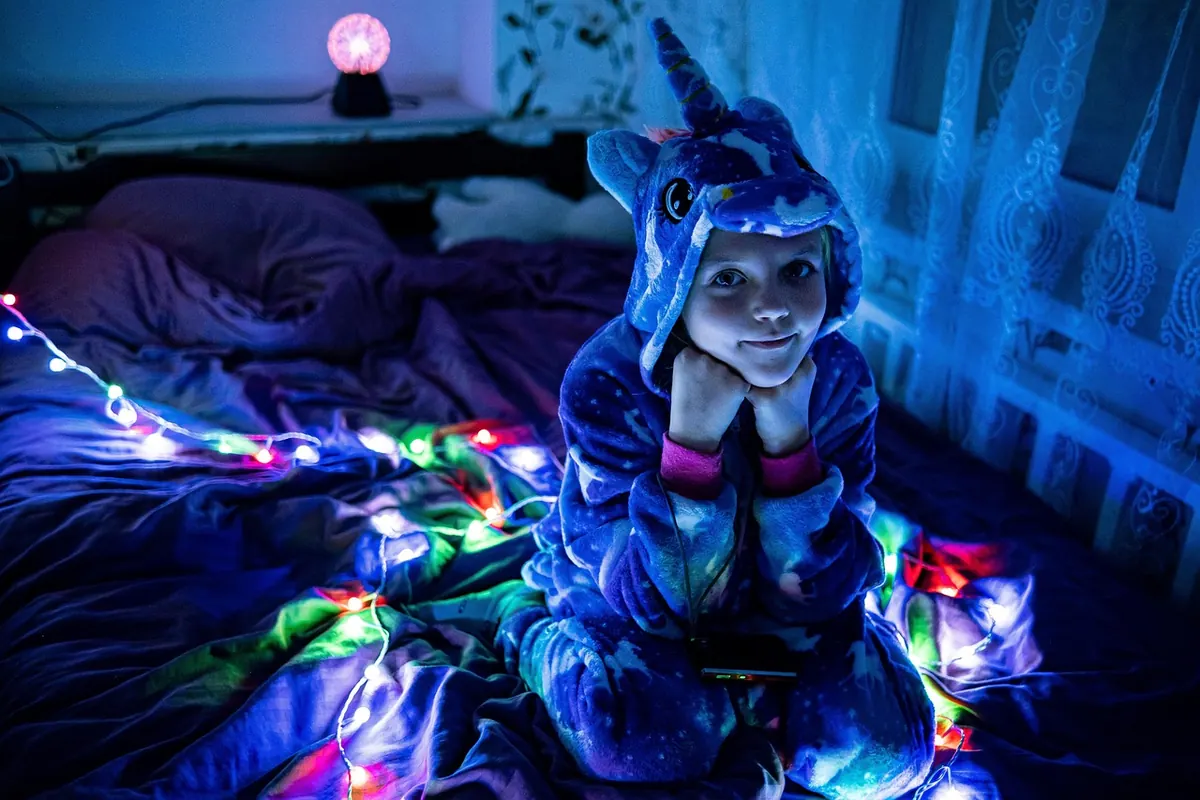
A child's bedroom has to do a lot. It is a homework station, a storybook den, a stage for elaborate games and, by evening, somewhere to wind down and sleep. One ceiling light asked to cover all of that will be either too harsh at bedtime or too dim to read by. The answer is not a single clever fitting but a small plan. Work through the checklist below and you will end up with a room that is safe to move around in, comfortable to work in and gentle enough to fall asleep in.
Before you think about shades and finishes, deal with the things that could actually cause harm. Most of this takes ten minutes and costs nothing.
A room works best with three jobs handled by three sources. Ambient light from the ceiling brightens the whole space for tidying and getting dressed. Task light — a desk lamp or a wall-mounted reading light — puts brightness exactly where it is needed. Low-level light, from a night light or a dimmed lamp, keeps the room usable after dark without waking anyone up.
If you fit only one thing this month, fit a dimmer switch or a smart bulb on the main ceiling light. Being able to take a room from bright to soft without leaving the bed is the single biggest improvement you can make.
A good night light reassures without turning the room into a runway. Look for one that is dimmable, gives off a warm amber or reddish glow rather than a blue-white one, and sits below bed height so it does not shine directly into your child's eyes. Plug-in models with a dusk sensor are useful for hallways and landings; rechargeable ones are handy because they can be carried to the bathroom and back.
Two things to watch. First, shadows: a light placed low behind furniture can make shapes that frighten a child more than the dark did. Second, brightness creep — what started as a faint glow often ends up as a fully lit room. A dimmer or a timer prevents that drift.
If your child is regularly frightened at night or struggling to sleep, it is worth speaking to your health visitor or GP rather than assuming a brighter light will solve it.
Good task light does two things: it puts light on the page or the paper, and it keeps glare out of your child's eyes.
A wall-mounted or clamp-on light with an adjustable head works well because it can be aimed at the book rather than across the room. Check that the switch can be reached from lying down, and choose a warm white bulb — around 2700K — so the last thing your child sees before sleep is not a wall of cold brightness.
Colour temperature matters as much as brightness. Warm white light feels calm and familiar; cool white, the kind that suits a kitchen or an office, can feel clinical in a bedroom in the evening. If you want a brighter, cooler light for homework time, put it on the desk lamp and keep the rest of the room warm.
Wind-down matters too. Many families find that dimming the lights gradually over the last half hour before sleep helps everyone settle, and that bright, blue-rich light late in the evening works against that. A slow fade beats an abrupt click — and a small torch or low lamp left within reach means a child who wakes in the night does not need to switch on the ceiling light to feel safe.
Stand in the doorway in the evening and ask yourself four questions. Can my child get up in the night safely without waking the whole house? Is there enough light on the desk and the bed to read comfortably, with no glare? Is every bulb, cable and plug out of reach or properly secured? And can the room be made dim without a struggle?
If the answer to all four is yes, you are finished. If not, fix them in that order — safety, task light, then atmosphere. Warmth and dimming can always be added later, but the practical layer is the one that shapes how the room actually feels to live in.
Photo: Mitrey / Pixabay
A practical UK guide to getting porch, path and patio lights through winter — IP ratings, seals, timers...
Confused by smart bulbs? Here's how hubs, apps, voice control, dimming and UK fittings such as B22 and...
A practical guide to lighting a small or narrow hallway with wall lights, flush ceiling fittings, mirrors...